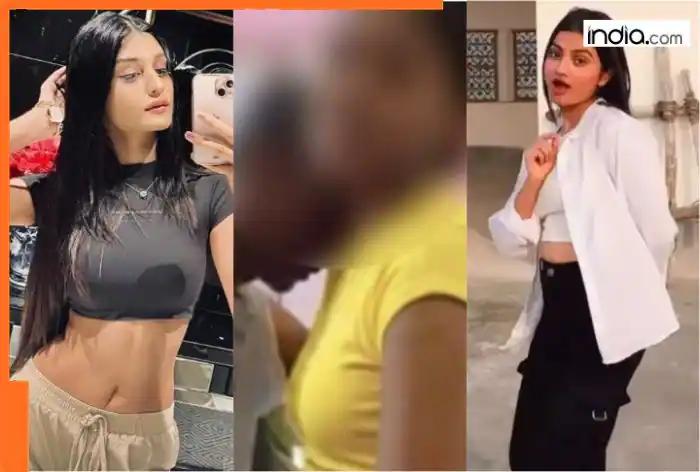
19-Minute Viral Video Row
19-Minute Viral Video: Did Another Viral MMS Leak Online? Here’s What We Know
A fresh wave of alarm has erupted on social media after reports of a “19-minute viral video” centered around young social media influencers. Over the course of recent weeks, several names have been pulled into online controversy, raising questions about digital privacy, misinformation, and the perils of sharing unverified links.
A 19-minute video clip (purportedly) showing the Bengali YouTuber Sofik SK with his girlfriend Dustu Sonali started making rounds on messaging platforms and other online forums earlier this month. The episode quickly sparked a frenzy and went viral, with users looking for what they can find — links and clips — despite warnings. 
Influencers Targeted by Viral Video Claims
Just a few days following the Sofik SK–Dustu Sonali controversy, Payal Dhare, better known as Payal Gaming, also made it to nationwide news. Reports stated that a purported private video was being circulated on the internet, a video that ended up being considered by many as an AI-generated or manipulated content.
One of the most popular female gaming creators in India, Payal Gaming has a huge fan base, and so, the rumours spread like wildfire. Fans, and digital rights activists, were equally as aghast at the notion that one could obtain irreversible harm even if the content was fake or misleading content.
Rise of Deepfakes and Digital Manipulation
Experts point out that many recent “viral MMS” cases may involve deepfake technology, where artificial intelligence is used to create realistic but false videos. Such content often spreads faster than fact-checks, leaving victims to deal with reputational damage and mental stress.
The Payal Gaming case, in particular, reignited discussions around:
-
AI misuse
-
Consent in the digital age
-
Stronger cybercrime laws
-
Platform accountability
Authorities and cyber experts have repeatedly warned users not to trust sensational claims without verified sources.
Why You Should Not Click or Share Viral Links
Cybercrime officials and internet security on their best behaviour: Don’t click on or share these so called “viral video” links.Many of these links:
-
Lead to malware or phishing websites
-
Collect personal data
-
Spread misinformation
-
Contribute to online harassment
And in some cases, users who share or download such content could be prosecuted under the IT Act and the laws on cybercrimes.
Social Media Responsibility Under Scrutiny
The reappearance of viral video controversies has renewed the scrutiny of social media platforms. Critics say quicker removal processes and more stringent moderation are necessary to stop the quick dissemination of harmful materials.While, public influencers and figures are on the rise to demand:
-
Digital literacy awareness
-
Stricter punishment for content manipulation
-
Support systems for victims of online abuse
A Growing Pattern, Not Isolated Incidents
Cases involving Sofik SK, Dustu Sonali, and Payal Gaming are not isolated. In recent months, several young influencers have reported similar experiences, highlighting a troubling pattern where fame makes individuals vulnerable to misinformation campaigns.
As the line between real and fake content continues to blur, experts stress the importance of responsible online behaviour.
Final Thoughts
The 19-minute viral video controversy serves as a stark reminder of how quickly unverified claims can spread—and how damaging they can be. Whether content is real, fake, or manipulated, sharing it only fuels harm.
Users are urged to:
-
Avoid searching for such videos
-
Report suspicious content
-
Respect privacy and consent
In the digital age, not clicking is sometimes the most powerful action.