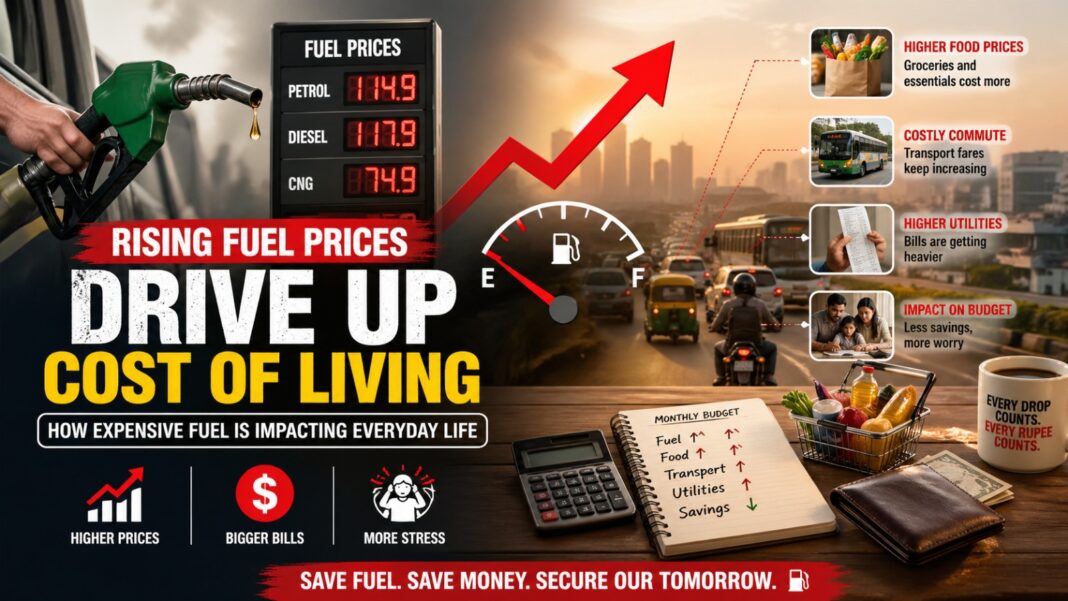
IntroductionFuel prices are no longer just a concern at the petrol pump—they are reshaping the cost of living. As rising fuel prices continue to affect economies globally, households are feeling the pressure in their daily expenses. From transportation to groceries, the increasing cost of fuel is making everyday life more expensive and challenging.
Why Are Fuel Prices Increasing?
The surge in fuel prices is driven by multiple global and domestic factors. Fluctuations in crude oil prices, geopolitical tensions, supply chain disruptions, and currency depreciation all contribute to higher fuel costs. Additionally, government taxes and refining expenses significantly impact the final price consumers pay, making fuel increasingly expensive.
Impact on Transportation Costs
One of the most noticeable effects of rising fuel prices is on transportation. Whether it’s private vehicles, public transport, or ride-sharing services, higher fuel costs lead to increased fares. Daily commuters are forced to spend more, which directly affects their monthly budgets and financial planning.
Rising Food Prices and Household Expenses
Fuel plays a crucial role in the supply chain, from production to delivery. As fuel prices rise, transportation and logistics costs increase, leading to higher prices for essential goods like fruits, vegetables, and groceries. This creates a ripple effect, making it harder for families to manage their household expenses efficiently.
Challenges for Small Businesses
Small businesses face significant challenges due to increasing fuel costs. Higher transportation and operational expenses reduce profit margins, forcing businesses to either raise prices or bear the losses. This situation impacts both business sustainability and customer affordability.
Fuel Prices and Inflation Connection
Rising fuel prices are a key driver of inflation. When fuel becomes expensive, the cost of goods and services across sectors increases. This reduces purchasing power, meaning consumers can buy less with the same income. Over time, this leads to financial stress and economic pressure on households.
Changing Consumer Behavior
As the cost of living rises, consumers are adapting their habits. Many people are cutting down on non-essential spending, using public transport, carpooling, or switching to fuel-efficient vehicles. These behavioral changes reflect the growing impact of fuel price hikes on daily life.
Solutions to Manage Rising Fuel Costs
To reduce the impact of rising fuel prices, governments and individuals can take proactive steps. Policy changes like reducing fuel taxes, investing in renewable energy, and improving public transport can help. Individuals can also adopt fuel-saving practices, reduce unnecessary travel, and explore alternative energy options.
Conclusion
Rising fuel prices are significantly increasing the cost of living and affecting everyday life. From transportation and food prices to business operations, the impact is widespread. By understanding these challenges and adopting smart strategies, both individuals and policymakers can work towards minimizing the financial burden and creating a more sustainable future.