For several weeks, one question kept coming up in diplomatic circles: Was Chinese President Xi Jinping really coming to India for the BRICS Summit?
There were strong indications that Xi would travel to New Delhi, but Beijing remained unusually quiet about it. While preparations appeared to be moving ahead, China did not immediately make a formal public announcement.
That silence naturally led to speculation. Was Beijing still undecided? Were India and China negotiating something behind closed doors? Or was China deliberately keeping the visit under wraps?
A key development on August 27, 2026, now offers an important clue.
According to reports, China sought visas for a 67-member delegation that was expected to accompany Xi Jinping to India. The move suggests that Beijing had already started serious preparations for the visit, even though the official confirmation had not yet been made public.
So, the bigger story may not be why China decided to delay Xi’s visit. It may be why Beijing delayed announcing a decision that was already being prepared behind the scenes.
What Happened in Beijing on August 27?
August 27 was an important day in India-China diplomacy.
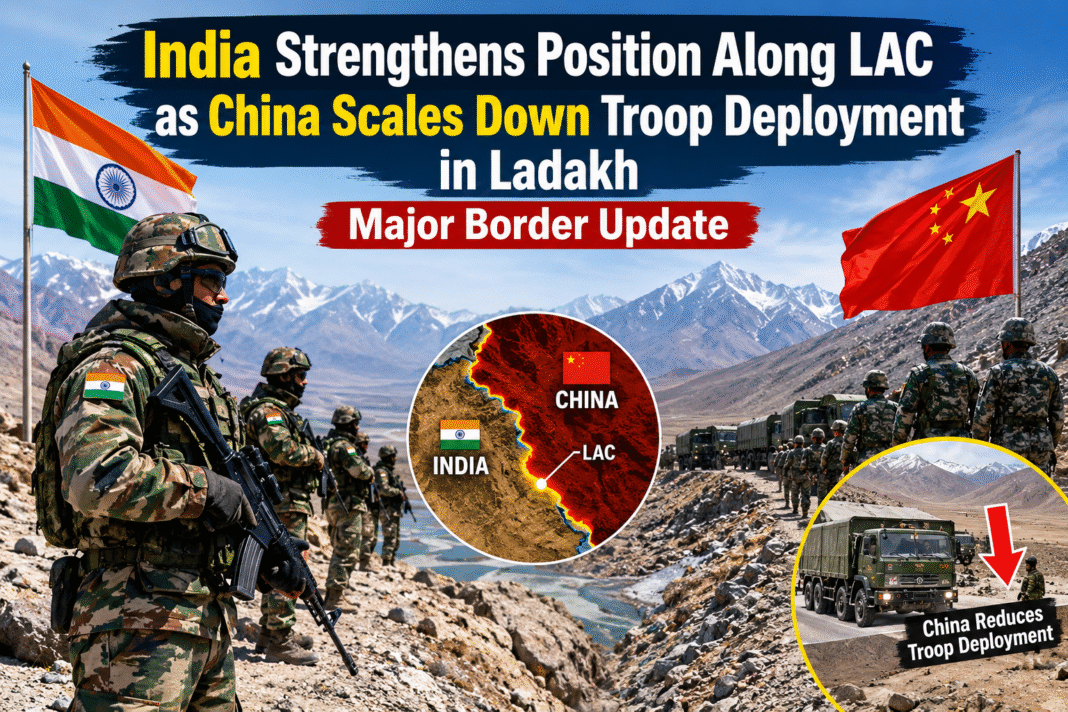
On that day, senior Indian and Chinese officials were engaged in discussions aimed at managing the long-running border dispute. India’s National Security Adviser Ajit Doval and Chinese Foreign Minister Wang Yi held the 25th round of talks between the two countries’ Special Representatives on the boundary question.
The discussions focused heavily on maintaining peace and stability along the Line of Actual Control, or LAC.
Both sides reached an eight-point understanding covering areas such as military communication, additional meeting points between border forces, boundary negotiations and cooperation on trans-border rivers.
The two countries also discussed arrangements related to the Kailash-Mansarovar pilgrimage.
At first glance, these may look like routine diplomatic developments. But the timing was significant.
The talks came just weeks before the BRICS Summit in New Delhi and at a time when India-China relations were slowly showing signs of improvement after years of tension.
The 67-Member Delegation Raises Questions
The most interesting detail from August 27 was China’s reported visa request for Xi Jinping’s delegation.
A 67-member Chinese delegation was reportedly being prepared for the India visit. Senior officials, including Politburo Standing Committee member Cai Qi and Foreign Minister Wang Yi, were expected to be part of the team.
That is not the kind of preparation a country normally makes for a visit that it is genuinely unsure about.
The visa request therefore suggests that the Chinese leadership had already moved beyond the early planning stage. The logistics were being handled even while the political announcement remained carefully controlled.
This gives the August 27 development a much greater significance.
It indicates that Beijing may have been deliberately separating operational preparations from the public announcement.
Why Was Beijing So Cautious?
There are several possible reasons for China’s cautious approach.
The biggest factor is the complicated state of India-China relations.
Relations between the two Asian giants suffered a major setback after the 2020 border crisis in eastern Ladakh. Although the two sides have since taken steps to reduce tensions, the relationship remains sensitive.
There are still major issues on the table, including the border dispute, trade imbalance, market access and strategic distrust.
In such a situation, publicly confirming Xi Jinping’s visit too early could have created expectations that a major breakthrough was about to happen.
Beijing may therefore have wanted to keep some diplomatic flexibility while discussions with India continued.
In other words, the delay may have been more about diplomacy than logistics.
India-China Relations Were Already Moving Carefully
Over the past couple of years, India and China have made efforts to stabilize their relationship.
Prime Minister Narendra Modi and Xi Jinping have held important meetings, while diplomats and military officials have continued discussions over the border situation.
However, there is an important difference between reducing tensions and solving the border dispute.
The two countries have managed to create mechanisms to prevent fresh clashes and improve communication, but the larger boundary question remains unresolved.
That is why every high-level meeting between Modi and Xi attracts so much attention.
A summit-level meeting can potentially help both countries address several issues at the same time — from border stability to trade and economic cooperation.
Why Xi Jinping’s India Visit Matters
Xi Jinping’s expected India visit is significant for another reason: it would be his first visit to India in seven years.
His presence at the BRICS Summit in New Delhi therefore carries considerable diplomatic weight.
For India, the meeting could provide an opportunity to push for greater balance in trade and improved economic engagement.
For China, maintaining stable relations with India is also important. India is one of the world’s largest economies and an increasingly influential player in global affairs.
Both countries may not agree on every major issue, but neither has an interest in allowing their relationship to spiral into another serious confrontation.
That makes dialogue particularly important.
What Could Modi and Xi Discuss?
If Prime Minister Modi and Xi Jinping meet during the BRICS Summit, several issues are likely to be high on the agenda.
The India-China border will remain one of the most important topics.
Trade could be another major issue. India has repeatedly raised concerns about the large trade imbalance with China and has sought greater access for Indian businesses in the Chinese market.
The two leaders could also discuss investment, supply chains, connectivity, visas and people-to-people relations.
At the same time, global geopolitical developments are likely to form part of the wider conversation.
But it would be unrealistic to expect one meeting to solve all the differences between India and China.
The more immediate objective is likely to be keeping relations stable while gradually rebuilding trust.
Was China Playing the Diplomatic Waiting Game?
This is perhaps the most interesting question.
China’s delayed confirmation of Xi’s India visit could be seen as an example of diplomatic caution.
By keeping the announcement pending, Beijing had more room to assess developments and negotiate important issues without creating unnecessary public pressure.
At the same time, the reported visa request on August 27 shows that preparations were already underway.
This combination — quiet preparations followed by delayed public confirmation — suggests that Beijing wanted to control the timing and messaging of the visit very carefully.
It does not necessarily mean there was a major disagreement between India and China.
Instead, it may reflect the cautious nature of their current relationship.
The Real Meaning of August 27
The events of August 27 could ultimately prove more important than the delayed announcement itself.
On one side, senior Indian and Chinese officials were working on ways to manage the border dispute and improve communication.
On the other, China was reportedly preparing a large delegation for Xi Jinping’s visit to India.
Taken together, these developments point toward a broader effort to stabilise India-China relations without pretending that all differences have disappeared.
That is probably the most realistic way to understand the current situation.
Conclusion
The delay in confirming Xi Jinping’s India visit created plenty of speculation, but the developments surrounding August 27 tell a different story.
China appears to have been preparing for the visit well before the public announcement. The reported visa request for Xi’s 67-member delegation, combined with the latest round of India-China border talks, suggests that important diplomatic groundwork was already taking place.